KMT-CPP Forum Resumed: Space Remains to Articulate 1992 Consensus
United Daily News Commentary, February 5, 2026
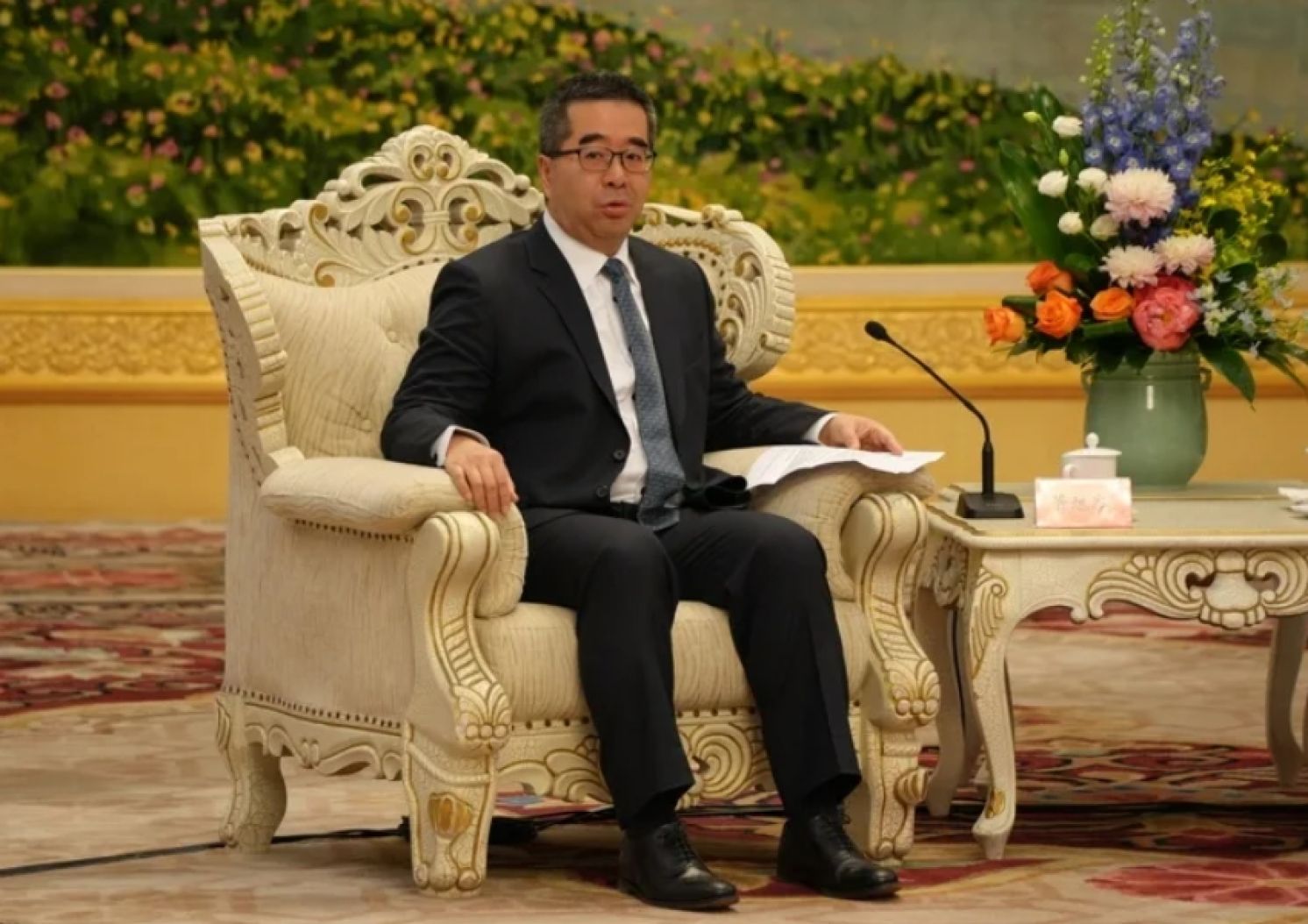
Amid continued cross-strait tensions, cross-strait exchanges, after a nine-year hiatus, resumed with the Kuomintang (KMT) and Chinese Communist Party (CCP) think tank forum. What merits attention is whether there has been any change in Taiwan’s discursive space regarding cross-strait exchanges. KMT Vice Chairman Hsiao Hsu-tsen directly stated the formulation of “One China, respective interpretations” to Wang Huning, chairman of the Chinese People’s Political Consultative Conference (CPPCC), in Beijing, highlighting that the “1992 Consensus” still has room for Taiwan for liberal interpretation.
Hsiao told Wang that in 1992, both sides of the Taiwan Strait reached a consensus in which each side verbally expressed adherence to the “One China” principle, commonly referred to as the 1992 Consensus. This carries forward the formulation used in earlier exchanges of congratulatory messages between KMT Chairwoman Cheng Li-wen and CCP General Secretary Xi Jinping, and also follows the content of then Chairman-elect Ma Ying-jeou’s reply telegram after Xi sent congratulations in 2013.
Even from the perspective of Democratic Progressive Party (DPP) supporters, because this formulation does not mention differences in the “meaning” of one China between the two sides, it cannot be called “One China, respective interpretations,” and is closer to “respective interpretations of One China.” However, if one fixates on whether the meaning is articulated, it is easy to overlook whether Taiwan still has space to articulate the 1992 Consensus at all.
Over the past decade, the 1992 Consensus has been the subject of endless debate in Taiwan, with clear fluctuations corresponding to the strength or weakness of the KMT’s discourse. The DPP administration and the Mainland Affairs Council have both emphasized that the “1992 Consensus,” “One China” principle, and “One Country, Two Systems” have become a trinity, leaving no room for the Republic of China to exist. Yet since becoming KMT chairwoman, Cheng has actively revived discourse on the 1992 Consensus without touching upon “One Country, Two Systems,” showing new momentum for the 1992 Consensus for a narrative not dominated by the DPP.
Cheng previously put forth the notion that “the United States is a benefactor, the mainland is kindred,” demonstrating that Taiwan originally did not need to choose sides between mainland China and the United States. This understanding shares similarities with the thinking behind recent frequent visits to the mainland by Western leaders.
This time, the highest-level KMT–CCP interaction was a meeting between the CPPCC chairman and KMT vice chairman. Neither the on-site media interviews nor mainland China’s post-meeting press release mentioned “unification,” nor did they use the official language previously considered relatively tough towards Taiwan, highlighting the mainland’s willingness to make certain adjustments in wording under the current KMT–CCP exchange environment. More importantly, mainland authorities announced yesterday that Shanghai residents will soon be allowed to travel to Kinmen and Matsu, which is clearly based on the outcomes of KMT–CCP interactions under the 1992 Consensus.
Current cross-strait differences are undeniable, but regardless of how ornate the political discourse may be, cross-strait peace should be the true password. Last night, Hsiao specifically posted on Facebook that when he met Wang Huning at the Great Hall of the People in Beijing, “I expressed that Taiwan’s mainstream public opinion does not wish for cross-strait conflict and that disputes should be resolved by peaceful means; Wang solemnly told me that the mainland’s foremost goal has always been cross-strait peace, but Taiwan independence is a red line the mainland cannot accept.”
The sharp internal divisions in Taiwan over concepts such as the 1992 Consensus, “One China with respective interpretations,” and “respective interpretations of One China” will remain a focus of political controversy. Whether the 1992 Consensus connotes “One Country, Two Systems,” and whether there is still room for maneuver will depend upon more mature political wisdom from both sides.